
Table of Contents
Introduction
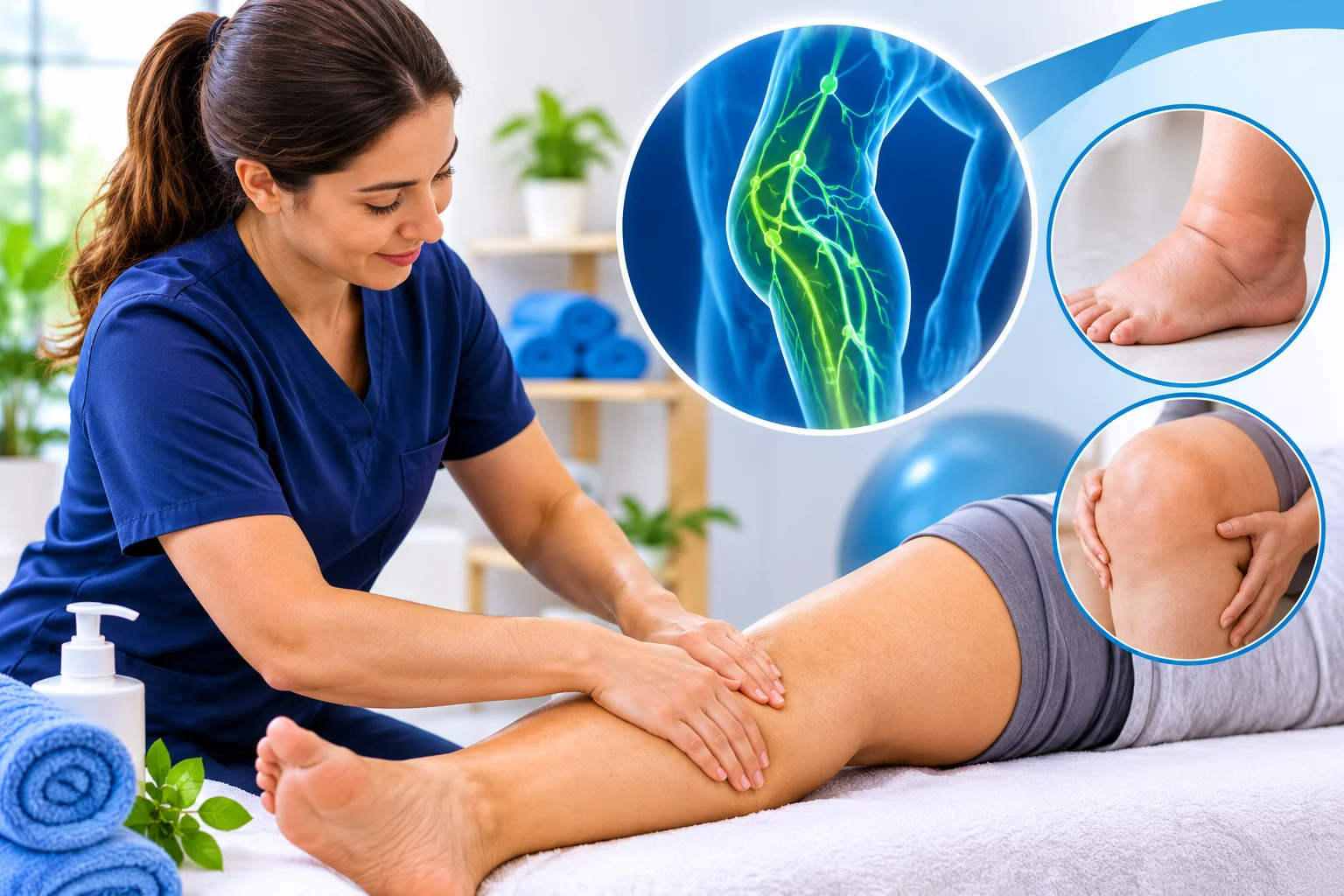
Swelling in the arms, legs, or hands can make everyday activities uncomfortable. It may develop after surgery, injury, inflammation, or conditions affecting lymphatic function. Lymphatic drainage encourages excess fluid to move towards functioning lymphatic pathways. Lymphatic Massage for Water Retention and Swelling may help manage fluid buildup, improve lymphatic drainage, and address persistent swelling. Lymphatic Drainage Massage Edmonton may be considered as part of a suitable care plan. Understanding this gentle technique and its benefits can help you make informed decisions about your recovery.
What Is Lymphatic Drainage Massage in Edmonton?
The lymphatic system maintains fluid balance and supports immunity by collecting excess fluid, proteins, and waste from tissues and returning them to the bloodstream.
When drainage becomes less effective, fluid accumulates in tissues, causing swelling (edema). This may follow surgery, injury, inflammation, or lymphatic damage.
Manual Lymphatic Drainage (MLD) uses gentle, rhythmic movements and light pressure to encourage fluid towards functioning lymphatic pathways without targeting deep muscle tissue.
Is lymphatic drainage massage painful, or will I feel pressure during the treatment?
Lymphatic drainage massage is generally gentle and should not be painful. Our physiotherapy approach uses light, rhythmic movements rather than deep pressure to encourage lymph fluid movement.
How Does Lymphatic Massage Help Reduce Water Retention and Swelling?
When extra fluid builds up in bodily tissues, it results in fluid retention, which can lead to swelling, heaviness, tightness, and limited movement.
Lymphatic Massage Help Reduce Water Retention by encouraging excess fluid to move through functioning lymphatic pathways. However, it does not eliminate body fat or treat every cause of fluid retention.
1. Encourages Lymph Fluid Movement
Gentle, rhythmic movements stimulate superficial lymphatic vessels and encourage fluid movement towards functioning drainage pathways, potentially reducing swelling.
2. Helps Manage Post-Surgical Swelling
Surgery can cause inflammation and fluid buildup. Post-surgery lymphatic massage may help manage swelling when recommended by a healthcare professional and appropriate for the healing stage.
3. Supports Fluid Movement After Inflammation
Injuries and inflammation can cause fluid buildup, tenderness, and restricted movement. Post-inflammation fluid buildup massage may support fluid circulation after the acute condition has been assessed.
4. Reduces Heaviness and Tightness
Excess fluid can make the arms and legs feel heavy and restrict movement. As swelling decreases, some people experience improved flexibility and daily comfort. Lymphatic Massage Help Reduce Water Retention by addressing fluid accumulation, although results depend on its underlying cause.
What exercises can help my parents stay active during winter?
We may recommend seated leg extensions, ankle movements, gentle stretches, and supported walking exercises based on your parent’s mobility and physical abilities.
What Does a Typical Home Physiotherapy Session Include?
If you are searching for in-home physiotherapy for seniors near me, understanding a typical session can help you prepare.
At Vertex Physiotherapy, we assess your physical needs and create an individualized rehabilitation programme.
A typical session may include:
- Initial assessment: Reviewing your mobility, strength, balance, and rehabilitation goals.
- Individualized exercises: Strengthening, stretching, balance, and walking exercises suited to your abilities.
- Hands-on treatment: Manual therapy to address joint stiffness and soft tissue restrictions when appropriate.
- Functional movement practice: Practising standing, sitting, walking, and safe transfers.
- Progress monitoring: Reviewing your response and adjusting exercises as needed.
These Elderly rehabilitation services at home support seniors who need ongoing care but find travelling to a clinic difficult.
Can physiotherapy help my elderly parent feel safer while walking indoors?
Yes. We use balance exercises, gait training, and functional movement practice to help improve stability, coordination, and confidence during everyday activities.
How Can Seniors Stay Active Between Physiotherapy Sessions?
Regular movement between appointments helps maintain mobility. Seniors can follow a few simple habits:
- Take short indoor walks using prescribed mobility aids.
- Practise recommended seated exercises.
- Keep frequently used items within easy reach.
- Wear supportive, non-slip footwear.
- Keep walkways clear of clutter.
- Follow your physiotherapist’s exercise instructions.
Avoid exercises that cause significant discomfort, dizziness, or unusual breathlessness, and seek medical advice if these symptoms occur.
How long does it take to notice a reduction in swelling after lymphatic massage?
Results vary depending on the cause and severity of swelling. Some people notice temporary improvement after a session, while others require consistent treatment and additional management.
Who Can Benefit from Lymphatic Drainage Massage?
Lymphatic drainage techniques may help manage swelling associated with certain medical conditions or changes in lymphatic function. They are often included in broader fluid management and rehabilitation programmes.
An assessment is beneficial if you experience:
- Lymphoedema: Persistent swelling due to impaired lymphatic drainage, usually affecting the arms or legs.
- Post-Surgical Swelling: Fluid accumulation following joint replacement or other surgeries.
- Injury-Related Swelling: Tissue swelling after an injury, once the acute condition is assessed.
- Limited Mobility: Reduced movement that affects muscle activity supporting lymph circulation.
- Post-Treatment Swelling: Fluid buildup after cancer treatments that affect lymph nodes or vessels.
Lymphatic massage help reduce water retention when swelling results from impaired lymphatic drainage. However, fluid retention caused by hormonal changes, medications, or heart, kidney, or liver conditions may require a different treatment approach.
Can I get lymphatic drainage massage if my legs feel swollen after prolonged sitting?
It depends on the cause of swelling. Our physiotherapy team can assess your symptoms and recommend suitable treatment or medical referral if further investigation is needed.
Physiotherapy Techniques That Support Lymphatic Drainage
Lymphatic drainage works best as part of a comprehensive management plan. Physiotherapy techniques support fluid movement, maintain mobility, and help manage swelling.
1. Manual Lymphatic Drainage
Manual lymphatic drainage uses gentle, rhythmic movements to guide fluid towards functioning lymphatic pathways. Manual lymphatic drainage for edema relief is combined with other treatments to manage swelling. It uses light pressure rather than deep tissue massage.
2. Compression Therapy
Compression bandages, sleeves, or stockings apply controlled pressure to swollen areas, helping limit fluid accumulation and support lymph movement during muscle contractions. Compression levels depend on circulation, skin condition, and swelling severity.
3. Therapeutic Exercises
Movement activates surrounding muscles and supports lymph circulation. A physiotherapist may recommend exercises. Lymphatic Massage Help Reduce Water Retention when combined with exercises that support natural fluid circulation.
4. Diaphragmatic Breathing
Controlled abdominal breathing creates pressure changes in the chest and abdomen, supporting lymph movement through larger vessels.
5. Limb Elevation and Positioning
Elevating a swollen arm or leg when appropriate may help limit fluid accumulation. Physiotherapists can recommend suitable resting positions and movement breaks.
6. Skin Care and Education
Swollen tissues are more vulnerable to dryness, damage, and infection. Maintaining clean, moisturized skin contributes to skin health. Physiotherapists also provide guidance on compression garments, self-management, and signs requiring medical attention.
These techniques may be combined as part of Complete Decongestive Therapy (CDT), which includes manual lymphatic drainage, compression, exercise, and skin care.
Does lymphatic drainage massage require the use of compression stockings?
Compression may help maintain fluid movement and manage swelling. Our physiotherapists can recommend suitable compression options based on your circulation, medical history, and individual treatment requirements.
What a Lymphatic Drainage Session Will Involve
Before treatment, your healthcare provider assesses the cause of swelling and reviews your medical history to determine whether lymphatic drainage is suitable.
A typical treatment process includes:
- Initial Assessment: Reviewing swelling location, severity, duration, medical conditions, and previous surgeries or injuries.
- Treatment Planning: Selecting suitable drainage techniques and complementary treatments.
- Gentle Massage: Using controlled, rhythmic movements along appropriate lymphatic pathways without deep pressure.
- Rehabilitation Guidance: Recommending suitable exercises, positioning, compression, and skin care.
- Progress Monitoring: Tracking changes in swelling, comfort, and mobility to adjust treatment as needed.
The number of sessions depends on the underlying condition, swelling severity, and response to treatment. Some conditions require ongoing management rather than a short treatment course.
Should I prepare anything before attending my first lymphatic drainage appointment?
Bring relevant medical records and details of previous surgeries or treatments. Wear comfortable clothing and inform our physiotherapy team about medications, swelling, and existing health concerns.
When Should You Avoid Lymphatic Drainage Massage?
Although lymphatic drainage is gentle, it is not suitable for everyone. Medical clearance may be necessary if you have:
- Blood clot history or deep vein thrombosis.
- Active skin infections or cellulitis.
- Fever or an active illness.
- Unstable heart conditions or heart failure.
- Significant kidney problems.
Sudden swelling in one leg, especially with pain, redness, or warmth, requires prompt medical assessment. Chest pain or breathlessness requires emergency care. Never assume unexplained swelling is simply water retention.
Can I receive lymphatic drainage massage if I have an existing medical condition?
Certain conditions, including active infections, blood clots, and unstable heart conditions, may make treatment unsuitable. Seek medical clearance before starting lymphatic drainage massage.
Support Healthy Fluid Movement with Physiotherapy
Lymphatic drainage helps manage fluid accumulation, reduce swelling, and improve comfort when lymphatic function is affected. Lymphatic Massage Help Reduce Water Retention by supporting natural fluid movement, especially when combined with compression, exercises, and proper skin care.
If you experience persistent swelling, consult the team at Vertex Physiotherapy in Edmonton. Book an assessment to explore Lymphatic Drainage Massage in Edmonton, suitable treatment options, and ways to improve mobility.
Meet Our Registered Massage Therapist
Tariha Aquib – Registered Massage Therapist
Tariha Aquib is a Registered Massage Therapist at Vertex Physiotherapy in Edmonton with five years of clinical experience. She completed her massage therapy training at Makami College and holds a diploma in Skin and Spa Therapy from MC College. Tariha provides therapeutic, Swedish, deep tissue, relaxation and prenatal massage for muscle and soft-tissue pain, including back pain and neck, shoulder and upper-back tension. She also supports clients during pregnancy and after birth, tailoring each massage to their needs.
Frequently Asked Questions
Yes, gentle lymphatic drainage techniques may help manage facial and neck swelling caused by certain conditions. However, the underlying cause should be assessed before starting treatment.
Lymphatic drainage may help manage swelling following knee replacement surgery. Treatment should begin only after your surgeon or healthcare provider confirms that the surgical site is ready.
Yes, lymphatic drainage may help manage fluid accumulation in the feet and ankles when caused by impaired lymphatic function. Compression and gentle exercises may also support fluid management.
Treatment frequency depends on the cause, severity, and response to therapy. Our physiotherapy team can recommend a suitable schedule based on your symptoms and overall recovery requirements.
It may help manage lymphoedema following certain cancer treatments. However, treatment suitability depends on your medical history, current condition, and clearance from your oncology team.
Maintain your usual healthy hydration habits after treatment. Drinking excessive water does not increase lymphatic drainage, but adequate hydration supports normal body functions and overall health.
Gentle movement is generally encouraged after treatment, depending on your condition. Your physiotherapist can recommend suitable activities and intensity while considering any surgical or medical restrictions.
Lymphatic drainage may be considered for certain pregnancy-related swelling after medical assessment. Sudden swelling, particularly with headaches or visual changes, requires prompt medical evaluation.
It may help manage arm swelling associated with lymphatic changes after breast surgery. Treatment should follow medical clearance and may include compression, exercises, and skin care.
Yes, lymphatic drainage uses gentle, rhythmic movements to encourage lymph fluid movement. Relaxation massage generally focuses on muscle tension and comfort using different pressure levels and techniques.